
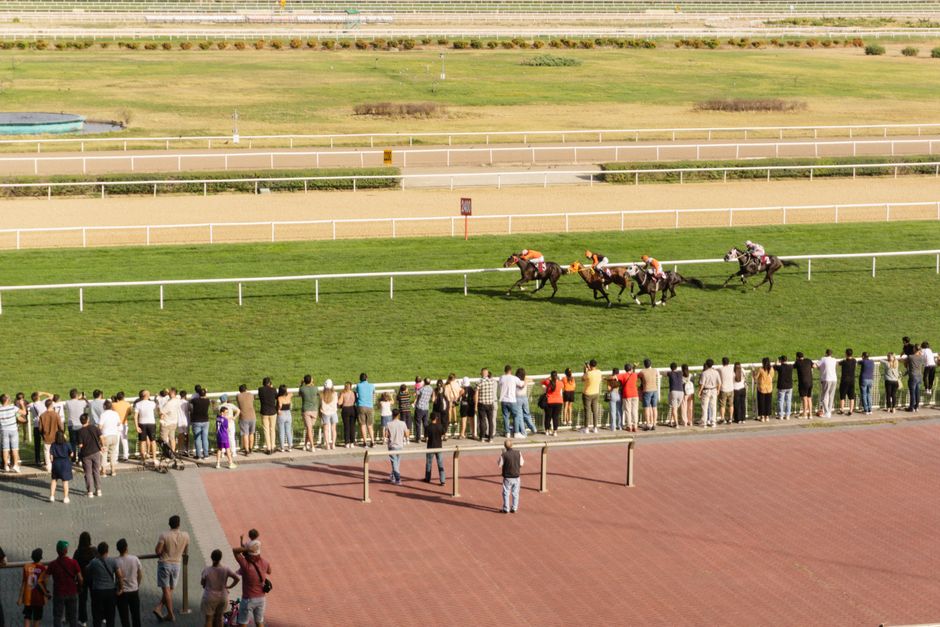
Mali’s gambling market is shaped mainly by state-authorised lottery and horse-racing activities. The legal position is clearer for officially organised betting than for online casino games, sports betting websites and offshore operators. Anyone placing a wager in Mali should distinguish between a locally authorised activity and a website that merely accepts registrations from Malian residents.
This overview is for general information, not legal advice. Gambling rules can change, and a specific question about licensing, taxation, advertising or enforcement should be checked with a qualified Malian lawyer or the relevant public authority.
How gambling is organised in Mali
State involvement is central to gambling in Mali. The Loterie Nationale du Mali (LONAMA) is associated with national lottery operations, while PMU-Mali is the well-known state-linked organisation for pari-mutuel horse-racing bets. These activities operate within the country’s authorised gambling structure and are distinct from private betting websites.
In practice, this means that a licence or commercial registration in another country does not automatically give an operator permission to offer gambling services in Mali. A foreign bookmaker may be regulated by an overseas authority, but that is not the same as holding approval under Malian law.
Mali’s general legal framework also treats unauthorised gambling differently from approved lottery and betting operations. The applicable rules may depend on the type of game, the way bets are collected, the operator’s local presence and whether the activity is conducted through an officially recognised entity.
Are online gambling sites legal in Mali?
Online gambling is the least clearly defined area of Mali’s gambling framework. Traditional state-run lottery and pari-mutuel betting have identifiable local structures, but there is no equally clear, comprehensive public framework that explains how every online casino, sportsbook or poker site may obtain a Malian licence.
For this reason, “the site accepts players from Mali” should not be treated as proof that the site is licensed in Mali. Many international operators rely on licences issued in jurisdictions outside West Africa. Those licences may impose useful standards on the company, but they do not necessarily settle the question of whether the operator is authorised to target customers in Mali.
Players should check the operator’s terms for its position on Mali, permitted payment methods, identity checks, withdrawal restrictions and dispute resolution. A site that blocks Malian accounts after registration, changes its terms at withdrawal or cannot identify its regulator presents a substantial practical risk even if its webpage is accessible.
Licensing, enforcement and the limits of an offshore licence
A legitimate gambling licence normally identifies the regulator, licence holder, authorised domain names and the products the operator may offer. It should also be possible to verify the licence through the regulator’s own records rather than relying only on a logo displayed on a betting website.
For Mali, the key distinction is between:
- State-authorised gambling: activities connected with recognised national lottery or pari-mutuel structures.
- Locally operated private gambling: activities that may require specific approval and cannot be assumed lawful merely because a business is registered.
- Offshore online gambling: services offered from another jurisdiction, where the foreign licence may not amount to permission to operate in Mali.
Enforcement can involve more than the operator’s licence. Authorities may also consider advertising, payment processing, money-laundering controls, company registration and the location of equipment or staff. The absence of a reported enforcement action should not be read as a formal approval.
Rules that matter to players
Players should use operators that publish clear ownership details, licensing information and responsible-gambling terms. Identity verification is normal in regulated betting and may be required before a withdrawal. Providing accurate personal information and keeping records of deposits, bets and withdrawals can help if a payment dispute occurs.
Payment safety is particularly important. A betting website should explain its deposit and withdrawal process, applicable fees and verification requirements. Players should avoid sending money to private individuals, using an account that is not in their own name or bypassing geographic restrictions with false information.
Age restrictions and responsible-gambling obligations also apply as a matter of consumer protection, even where the online legal position is uncertain. A person should not gamble with borrowed money, funds needed for essential expenses or money whose loss would create financial hardship. Self-exclusion, deposit limits and loss limits are useful safeguards where an operator provides them.
Advertising and sports-betting promotions
Promotions aimed at Malian consumers may raise separate questions from the legality of placing a bet. Advertising can involve consumer-protection, media, sponsorship and public-order rules, while bonuses may include turnover conditions, expiry dates and withdrawal restrictions.
Before accepting a welcome bonus or free-bet offer, read the full terms. Check the minimum odds, wagering requirement, eligible games, maximum winnings, payment limits and whether the promotion is available to residents of Mali. A promotion that is advertised broadly may still be excluded by the operator’s detailed terms.
How to check a betting site before depositing
- Confirm whether the operator explicitly accepts customers resident in Mali.
- Identify the legal company, registered address and regulator.
- Verify the licence on the regulator’s official website.
- Read the rules for identity checks, withdrawals, blocked accounts and complaints.
- Check whether the site uses secure, traceable payment channels.
- Start with a small amount and test a withdrawal before committing more funds.
- Keep screenshots and transaction records in case the account is disputed.
These checks cannot turn an unlicensed operator into a Malian-licensed one. They can, however, help a player identify unreliable businesses and understand the practical risks of using an offshore service.
What operators and affiliates should consider
An operator seeking to serve Mali should obtain local legal advice before launching, accepting local advertising or appointing agents. Relevant questions include whether a local authorisation is required, which authority is responsible, how gambling revenue and corporate activity are treated for tax purposes, and what anti-money-laundering and customer-identification controls apply.
Affiliates, publishers and sports organisations should also avoid presenting an overseas licence as if it were a licence issued by Mali. Marketing claims should be accurate, age-restricted where required and clear about the risks and conditions attached to betting offers.
Practical legal position
The safest summary is that gambling in Mali is not a single, fully open market. Recognised national lottery and pari-mutuel activities sit within a state-controlled structure, while private and online gambling require more careful analysis. Access to an international website does not by itself establish that the service is authorised under Malian law.
Because the public information available on online gambling licences, enforcement practice and taxation may be limited or subject to change, players and businesses should verify the current position locally before relying on a particular operator or commercial model.