
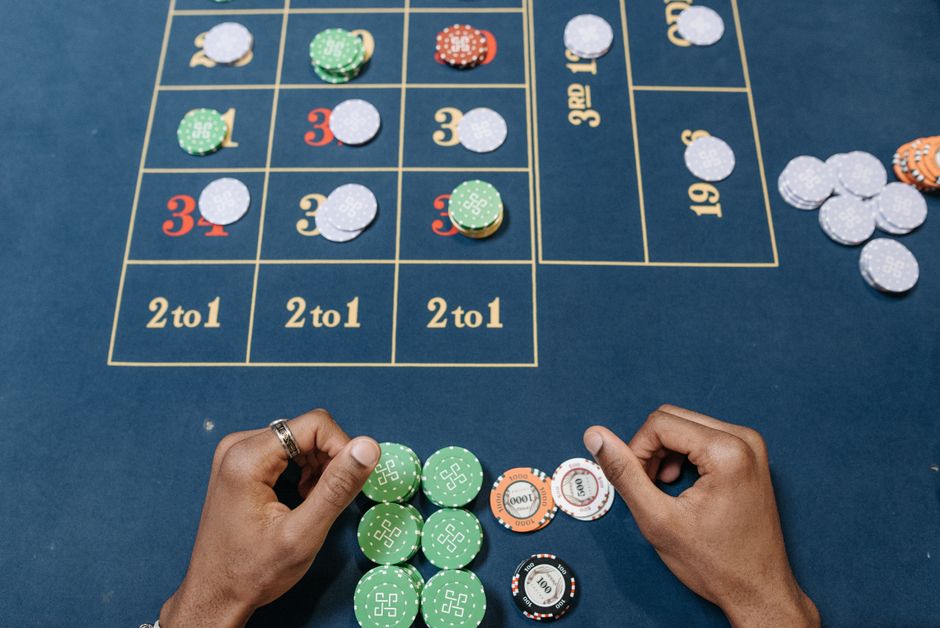
Gambling laws in Guinea are not as clearly consolidated as those in some other African jurisdictions. The legal position can depend on the type of gambling activity, the operator involved, and whether the activity is authorised by the relevant Guinean authorities. Anyone considering betting in Guinea should verify the current rules before depositing money or offering gambling services.
How gambling is regulated in Guinea
Guinea’s gambling market has traditionally been associated with state-controlled or authorised lottery activities, while other forms of betting may be subject to separate administrative approval. The country’s legal framework can involve general criminal, commercial, tax, consumer-protection, and public-order rules in addition to sector-specific controls.
This means that the absence of a single, easily accessible gambling statute does not automatically make every gambling product legal. A betting shop, casino, lottery, gaming machine, or online platform may each require a different form of authorisation, and the position can change through new regulations or government decisions.
For an accurate assessment, operators should consult the competent Guinean regulator, licensing authority, or legal counsel. Players should also check whether a bookmaker or casino is authorised to accept customers located in Guinea rather than relying only on a foreign licence.
Land-based betting, lotteries, and casinos
Lottery products and other officially approved games are generally easier to identify than privately operated gambling services. An authorised lottery or betting product should have a clearly identifiable operator, published rules, and information about the authority under which it operates.
Sports betting shops, casinos, gaming halls, and electronic gaming machines may require local approval, registration, or a commercial licence. Requirements can include premises controls, record keeping, tax reporting, age checks, and measures against fraud or money laundering. A business licence by itself should not be treated as proof that an establishment is licensed to provide gambling.
Customers should be cautious with venues that do not display ownership details, terms of play, contact information, or evidence of authorisation. Disputes involving an unlicensed operator may be difficult to resolve, particularly if the business has no local office or complaints procedure.
Online gambling in Guinea
The legal position of online gambling in Guinea may be less explicit than the rules for physical venues. There may not be a dedicated, comprehensive online gambling licensing system that clearly covers every foreign sportsbook, casino, poker site, and gaming platform serving Guinean residents.
That uncertainty creates a distinction between accessibility and legality. A website may accept registrations from Guinea without holding a Guinean authorisation. It may also operate under an overseas licence that regulates the company in another country but does not establish permission to serve customers in Guinea.
Before using an online bookmaker or casino, check the operator’s licence number, regulator, ownership details, withdrawal terms, identity-verification policy, and rules for customers in Guinea. A reputable site should explain its jurisdiction and restrictions clearly. Players should avoid platforms that request payment through unidentified intermediaries or promise guaranteed returns.
Age limits, identity checks, and player protection
Gambling operators should take reasonable steps to prevent minors from participating, even where the applicable age rule is not presented in one clear gambling statute. Identity checks may be required to confirm age, address, nationality, and the source of funds.
Players may be asked for an identity document, proof of address, or payment-account information before making a withdrawal. These checks are not necessarily a sign of misconduct; they are commonly used for anti-money-laundering and fraud prevention. However, customers should submit documents only through the operator’s secure, official channels.
Responsible gambling controls may include deposit limits, time-outs, self-exclusion, and restrictions on promotional communications. Players should set a spending limit, avoid borrowing to gamble, and treat betting as entertainment rather than an income source.
Taxes, payments, and legal risk
Tax treatment can differ between gambling operators, winnings, and other forms of income. A foreign betting site may deduct charges or taxes under the law of its licensing jurisdiction, while local tax obligations may depend on the player’s status and the nature of the payment. Guinea’s currency, banking rules, and foreign-exchange controls may also affect deposits and withdrawals.
Using a payment method does not prove that the underlying gambling activity is authorised. Banks, mobile-money providers, and payment processors can apply their own restrictions to gambling transactions. Failed deposits, delayed withdrawals, or account closures may be difficult to challenge when the operator has no local presence.
Operators planning to enter the Guinean market should obtain advice on incorporation, gambling approval, advertising, taxation, data protection, payments, and anti-money-laundering duties before launching. Operating from abroad does not automatically remove local legal or regulatory exposure.
How to check whether a gambling service is authorised
- Identify the exact legal entity operating the website, shop, or venue.
- Check the name of the licensing authority and confirm the licence through an official source.
- Read the terms for customers located in Guinea, including withdrawal and dispute rules.
- Look for age-verification, responsible-gambling, and anti-money-laundering policies.
- Confirm how complaints are handled and whether an independent dispute process exists.
- Do not assume that an offshore licence is the same as a Guinean gambling licence.
What the current position means for players
The safest approach is to use only clearly authorised gambling services and to verify the position with a current Guinean legal or regulatory source. Gambling legislation, licensing arrangements, payment restrictions, and enforcement priorities can change, and online operators may update their country restrictions without much notice.
This article provides general information, not legal advice. Anyone facing a dispute, planning to operate a gambling business, or unsure about the legality of a specific product should seek advice from a qualified lawyer or the relevant Guinean authority.