
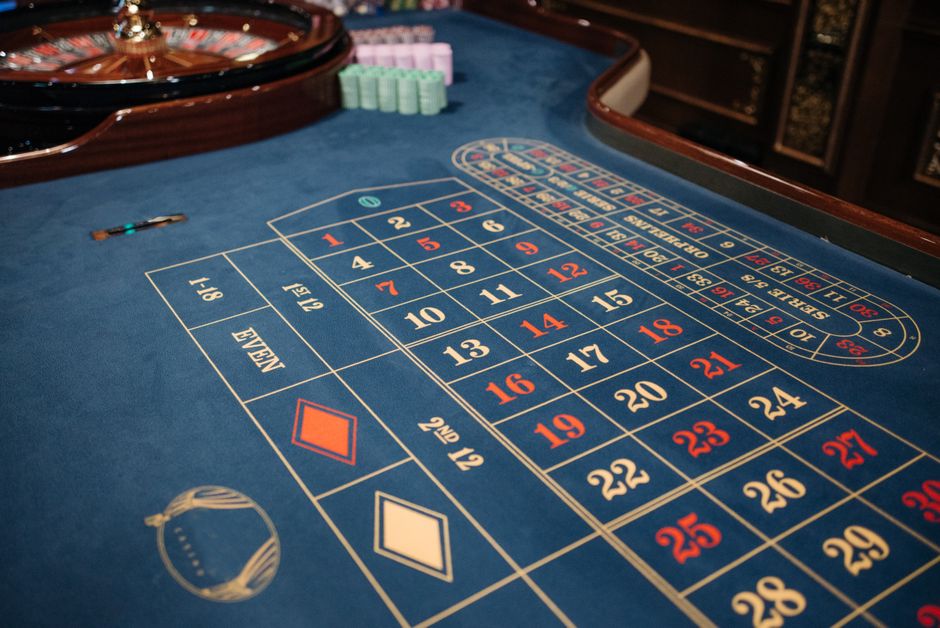
Gambling in Botswana is regulated through a licensing system overseen by the national gambling regulator. The rules cover casinos, betting, gaming machines and other forms of commercial gambling, with licence holders expected to meet requirements relating to suitability, premises, advertising, financial controls and player protection.
The legal position can differ between land-based gambling and internet betting. Anyone searching for information about Botswana gambling laws should therefore check both the general gambling legislation and the regulator’s current licensing information before placing a wager or starting a gambling business.
Which law regulates gambling in Botswana?
The main framework is based on Botswana’s gambling legislation and related regulations. The law establishes a licensing system and gives the regulator authority over gambling activities, operators and gambling premises. It also provides rules for applications, inspections, compliance and enforcement.
Commercial gambling is generally not treated as an activity that can be offered freely without approval. A casino, bookmaker, gaming-machine operator or other gambling business normally needs the appropriate licence for the activity it conducts. The exact licence category matters because approval to run one type of gambling operation does not automatically authorise every other form.
Regulatory requirements may include:
- proving that the applicant and relevant owners or managers are suitable and financially reliable;
- providing information about the business, premises, ownership and source of funds;
- meeting technical, security and record-keeping standards;
- paying application, licence or regulatory fees;
- complying with advertising, responsible-gambling and consumer-protection rules; and
- accepting inspections and ongoing monitoring by the regulator.
Are casinos, betting shops and gaming machines legal?
Licensed land-based gambling is permitted in Botswana under the applicable regulatory framework. Casinos and betting businesses must operate within the conditions attached to their licences. Betting shops may also be subject to requirements concerning approved premises, operating hours, signage, equipment and the handling of customer transactions.
Gaming machines and similar devices can be regulated separately from casino table games or sports betting. A machine located in a bar, club or other venue is not necessarily lawful simply because the venue is open to the public. The operator and, in some cases, the premises must have the necessary authorisation.
Players should look for evidence that a local operator is licensed and should be cautious if a business refuses to disclose its licence details, legal entity or complaints process. A licence claim on a website or social-media page is not, by itself, proof of current authorisation.
What is the legal position on online gambling in Botswana?
Online betting requires closer checking because internet gambling can involve several legal questions at once. These include whether the operator holds a Botswana licence, where the gambling service is supplied, how payments are processed and whether the activity falls within an existing licence category.
A website that accepts customers in Botswana may be licensed in another country, but an overseas licence does not automatically establish that the operator is authorised under Botswana law. Conversely, the absence of a familiar local betting shop does not by itself answer whether a particular online service is permitted. The relevant legislation, licence register and current statements from the Botswana regulator should be checked together.
Before using an online bookmaker, a customer should review the operator’s legal name, licence number, regulator, terms and conditions, age checks, withdrawal rules and complaint route. Customers should also understand that an offshore site may be harder to pursue if it withholds winnings or closes an account.
Age limits, identity checks and player responsibilities
Gambling operators are expected to prevent underage gambling and may require identity verification before accepting bets or processing withdrawals. Customers can be asked for identification, proof of address, payment information or documents explaining the source of funds. These checks are commonly used for both regulatory compliance and anti-money-laundering controls.
Players should provide accurate information and use payment methods in their own name. Attempting to bypass age or identity checks can lead to an account suspension, withheld withdrawals or further compliance action. A person who believes a minor has been allowed to gamble should report the issue to the operator and, where appropriate, the relevant regulator.
Taxes, winnings and advertising
The treatment of gambling winnings and gambling-related income can depend on the circumstances. A person who gambles casually may be treated differently from someone who conducts betting as a business or earns income connected with gambling. Operators also have their own tax and reporting obligations.
Players should not assume that all winnings are automatically tax-free or that an operator’s promotional wording is a complete explanation of tax treatment. For a significant amount, regular gambling income or a business activity, advice from a Botswana tax professional is more reliable than general information online.
Advertising must not be understood as a guarantee of profit. Promotional offers can contain turnover, expiry, identity, payment and withdrawal conditions. Responsible advertising should not target children, present gambling as a way to solve financial problems or make misleading claims about winning chances.
What happens if an operator breaks the rules?
The regulator may investigate licensed operators and take enforcement action where a business breaches licence conditions or gambling law. Possible consequences can include warnings, additional conditions, financial penalties, suspension or cancellation of a licence, and prosecution where an offence has been committed.
A customer with a dispute should first use the operator’s formal complaints process and keep copies of account statements, bets, correspondence and withdrawal requests. If the complaint is not resolved, the customer can ask the relevant Botswana authority whether it accepts complaints about that operator. Unlicensed or offshore operators may offer fewer practical avenues for recovery.
How to check whether gambling is lawful
- Identify the exact activity: casino games, sports betting, lottery-style games, gaming machines or online gambling may be treated differently.
- Check the current information published by Botswana’s gambling regulator and look for the operator or premises in an official licence record.
- Confirm that the licence covers the service being offered and has not expired, been suspended or been cancelled.
- Read the operator’s rules for age verification, deposits, withdrawals, disputes and self-exclusion.
- Get professional legal or tax advice if you plan to operate a gambling business, invest in one or gamble regularly as a source of income.
Botswana gambling laws can change through amendments, regulations, licensing decisions and official guidance. This article is general information rather than legal advice. The latest legislation and notices from the relevant Botswana authorities should take priority before a business launches or a customer relies on a particular interpretation.