
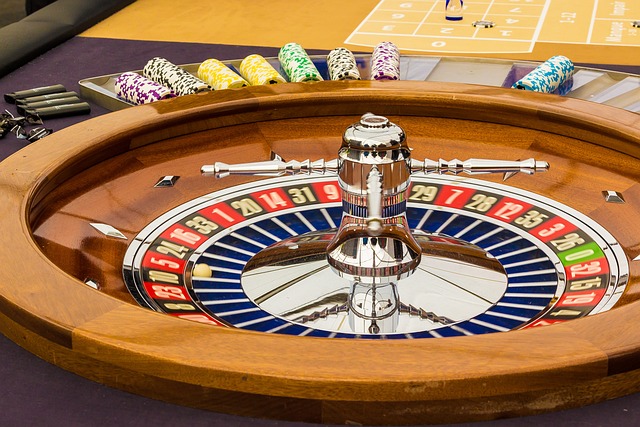
Gambling laws in Madagascar combine licensing rules for land-based operators with broader criminal, financial and consumer-protection laws. Casinos, lotteries and betting activities may be available, but the legal position can differ according to the product, the operator and whether the activity takes place inside Madagascar or online.
Anyone planning to gamble in Madagascar should check the operator’s local authorization, the applicable age requirement and the payment and identity-verification rules. The legal framework can also change, so information from a regulator, government office or licensed operator should take priority over an outdated website or informal advice.
How gambling is regulated in Madagascar
Madagascar does not treat every form of gambling in exactly the same way. Land-based casinos and other gambling venues generally depend on government permission, operational controls and compliance with public-order requirements. A venue may need authorization covering its premises, games, equipment, management and financial reporting.
The relevant rules can involve several areas of law, including criminal law, licensing, taxation, anti-money-laundering controls and consumer protection. These requirements affect both operators and customers. A licensed venue may be required to identify customers, monitor suspicious transactions, maintain records and follow restrictions on advertising or access.
Lotteries and betting products may operate through approved organizations or specific concessions rather than through an open market. The existence of a familiar lottery, betting service or casino does not by itself prove that every similar operator is authorized. Customers should look for a visible license or approval and confirm it with the relevant Malagasy authority where possible.
Casinos, sports betting and lotteries
Land-based casinos are generally the clearest category for identifying a regulated gambling business. Before visiting, customers should check the venue’s license status, opening conditions, identification requirements and accepted forms of payment. Casinos may also apply their own rules for minimum deposits, withdrawals, dress, access and responsible-gambling measures.
Sports betting and horse-race betting can involve separate arrangements from casino games. A betting shop, terminal or website should clearly state the company responsible for the service and the authority under which it operates. Customers should keep betting slips, account records and payment confirmations in case a dispute arises.
Lotteries are often subject to special rules concerning the organizer, ticket sales, prize payments and advertising. A ticket or digital entry should identify the operator and explain how winners claim prizes. Requests to pay an additional fee before receiving a prize are a common warning sign, particularly when the message comes from an unverified online account.
Online gambling and offshore websites
The position of online gambling in Madagascar may be less straightforward than the rules for a physical casino. A website accessible from Madagascar is not necessarily licensed or approved to accept customers there. Offshore operators may rely on a foreign license, but that license does not automatically create permission under Malagasy law.
Before opening an online betting or casino account, check the operator’s licensing jurisdiction, terms for Malagasy customers, identity checks, withdrawal conditions and dispute procedure. Also confirm whether the site blocks customers in Madagascar or lists the country as an accepted market. Avoid services that hide their ownership, request deposits through personal accounts or promise guaranteed winnings.
Payment access is not proof of legality. Banks, mobile-money providers and card networks may apply their own restrictions, and a successful deposit does not guarantee that a withdrawal will be processed. Currency conversion charges, tax treatment and limits on international transfers can also affect the final cost of gambling online.
Age limits, identity checks and safer play
Gambling venues and operators may require proof of age and identity before allowing play or processing a withdrawal. Customers should use accurate personal information and avoid sharing identity documents through unsecured messaging channels. A request for identification can be legitimate, but it should come through the operator’s official account or secure verification page.
Set a spending limit before gambling and treat losses as a cost rather than something to recover through larger bets. Keep gambling separate from money needed for housing, food, education or debt payments. If gambling becomes difficult to control, stop using the account and seek support from a qualified health or social-service professional.
Penalties, disputes and checking the current position
Unlicensed operators can face enforcement action, while customers may encounter cancelled bets, blocked accounts or difficulty recovering funds. Criminal and financial laws may also apply to fraud, money laundering, illegal payment activity and the operation of unauthorized gambling businesses. The consequences depend on the facts and the law in force at the time.
For a current legal check, consult Malagasy government publications, the authority responsible for licensing the relevant activity, a licensed local operator and an independent lawyer familiar with gambling and financial regulation. This is general information, not legal advice. Rules for casinos, lotteries, sports betting and online gambling should be verified separately before money is deposited or a gambling business is launched.