
Tunisia’s gambling laws divide gambling into two broad categories: activities authorised or supervised by the state, and games of chance operated outside that framework. The legal position is therefore not determined simply by whether a game involves money. Licensing, the operator’s status, the location of the activity and the type of wager all matter.
For residents and visitors, the most relevant issues are land-based casinos, sports betting, lotteries, gaming machines and access to overseas online gambling websites. Tunisia has permitted certain forms of gambling under official control, but that does not create a general licence for private operators to offer every type of betting or casino game.
How gambling is regulated in Tunisia
Tunisian gambling rules are based on a combination of statutory restrictions, public-authority approvals and sector-specific arrangements. The state has historically retained a strong role in lotteries and betting, while private gambling businesses require an authorisation or licence to operate legally.
The practical distinction is between an authorised gambling activity and an unauthorised game of chance. An authorised activity may be available through a licensed venue or a state-approved operator. A private person who organises betting, collects stakes or takes a commission without the required approval may face a different legal position from an individual who merely participates.
Relevant rules can arise from legislation governing games of chance, public order, taxation, commercial licensing and financial transactions. The exact consequences depend on the conduct involved, so a general statement that “gambling is legal” or “gambling is illegal” is misleading.
Are casinos legal in Tunisia?
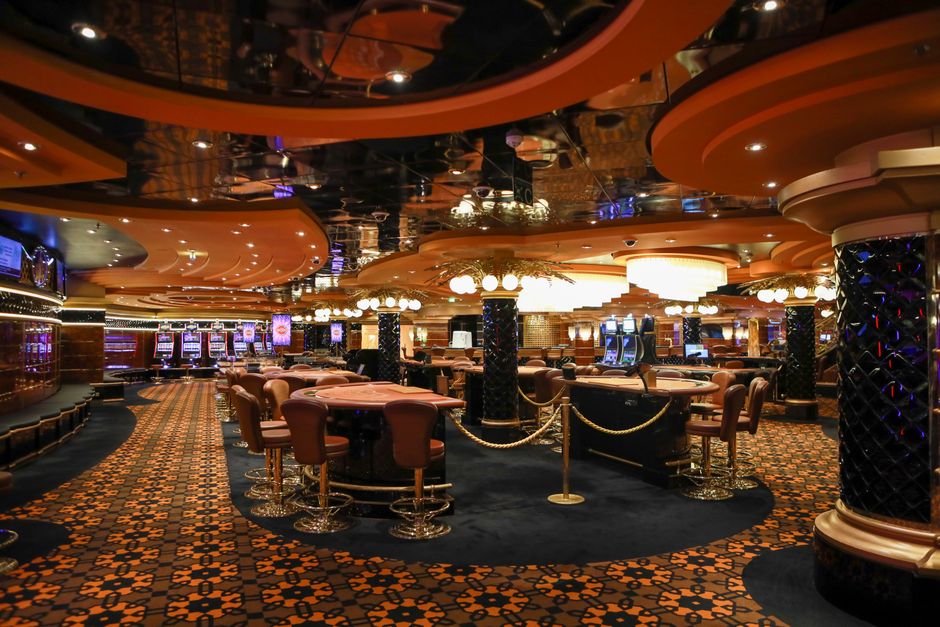
Land-based casinos can operate in Tunisia when they have the required authorisations and comply with the conditions imposed by the authorities. Casino activity has been associated particularly with tourist areas, including resorts such as Hammamet, Sousse and Djerba. The existence of a casino in a tourist zone does not mean that unlicensed casino rooms or private gaming clubs are lawful elsewhere.
Licensed casinos may offer traditional games such as roulette, blackjack and poker, together with gaming machines, subject to the permissions attached to the venue. The available games, opening arrangements, age controls and payment procedures can vary by establishment. A casino’s advertising or online presence is not, by itself, proof that its licence is current or that every service it promotes is authorised.
Visitors should distinguish a physically licensed casino from a website that uses Tunisian language, currency or imagery. A foreign online casino may accept Tunisian players without holding a Tunisian gambling licence. That is a separate regulatory question from whether a land-based venue is authorised to operate in Tunisia.
Sports betting and the role of state-authorised operators
Sports betting in Tunisia has traditionally been organised through state-controlled or state-authorised channels rather than through an unrestricted market of private bookmakers. Promosport is the best-known official betting entity and has historically been associated with sports pools and betting products.
This structure matters because a betting website may be accessible to Tunisian users without being approved under Tunisian law. A foreign bookmaker’s licence from another country does not automatically authorise it to provide betting services in Tunisia. The relevant questions include who accepts the wager, where the operator is established, whether it has Tunisian approval and how payments are processed.
Sports betting products may also be affected by restrictions on advertising, sporting integrity, age verification and the use of payment services. The legal position of a participant can differ from that of an unlicensed bookmaker, agent or intermediary collecting bets for others.
Online gambling in Tunisia
Tunisia does not have a simple, comprehensive online gambling framework equivalent to the licensing systems found in some European jurisdictions. Online casino games, poker rooms and betting sites should therefore not be treated as automatically legal merely because a platform accepts registrations from Tunisia.
For an online operator, the main risk is offering gambling services to Tunisian customers without the approvals required by local law. For a player, the practical risks are different: blocked access, rejected withdrawals, payment restrictions, identity checks, account closure and the absence of a clear local complaint mechanism. A foreign licence may provide some oversight in the operator’s home jurisdiction, but it does not remove these Tunisia-specific uncertainties.
Internet access is also not a reliable test of legality. A website can remain technically reachable even if the activity is not authorised, while access can be interrupted for technical or regulatory reasons without resolving the underlying legal question. Users should not interpret a successful deposit or an available mobile application as evidence of official approval.
Lotteries, gaming machines and private gambling
Lotteries and similar games of chance generally receive different treatment when they are organised by a public body or under official approval. That does not mean that every raffle, lottery promotion or prize-based game is lawful. The organiser, the method of selecting winners, the entry payment, the prize structure and the purpose of the proceeds can all affect the classification.
Gaming machines present a similar distinction. Machines located in an authorised casino or approved venue may fall within that establishment’s permission. The same machine in a café, private club or unlicensed premises may be treated as an unauthorised gambling device. Informal card games and private betting can also create legal exposure when they are organised commercially or conducted in circumstances prohibited by the applicable rules.
Age limits, consumer protection and enforcement
Licensed venues are expected to apply age controls and other operating requirements. Visitors should carry valid identification and follow the venue’s admission rules. Age restrictions can be stricter for particular products or establishments, and a venue may refuse entry or service even where participation would otherwise be lawful.
Consumer protection is more limited outside the authorised sector. A player using an unlicensed offshore operator may have difficulty recovering funds, challenging an account decision or proving the terms that applied to a wager. Disputes can also involve currency controls, payment intermediaries and the operator’s foreign jurisdiction.
Enforcement may focus on unlicensed organisation, commercial promotion, public-order concerns, illegal premises and financial activity rather than on every individual wager. That should not be read as a guarantee that individual participants face no risk. The relevant facts include the amount involved, repetition, public advertising, the person’s role and whether the activity forms part of a wider unauthorised business.
Common misconceptions about Tunisia’s gambling laws
- “A foreign licence makes a site legal in Tunisia.” It may show that the operator is regulated elsewhere, but it does not establish Tunisian authorisation.
- “If a casino is located in a hotel, all of its activities are approved.” The permission belongs to the licensed operator and may cover only specified games and conditions.
- “A website that accepts Tunisian dinars is officially licensed.” Currency support is a commercial feature, not evidence of regulatory approval.
- “Private betting is harmless because it is informal.” Organising wagers, taking stakes or earning a commission can create a different legal risk from casual participation.
How to check the position before betting
Before using a gambling service in Tunisia, identify the operator and the legal basis on which it claims to operate. For a land-based casino, check the venue’s current authorisation and the games covered by it. For sports betting, look for confirmation that the service is connected to the relevant Tunisian authorised channel rather than relying on an overseas licence.
Online users should examine the operator’s licensing jurisdiction, terms for Tunisian customers, withdrawal rules and dispute procedure. These checks do not turn an unauthorised service into a legal one, but they can reveal whether the business is transparent and whether its protections are meaningful.
Because legislation, enforcement practice and licensing arrangements can change, anyone planning to operate a gambling business, advertise betting services or make a substantial transaction should obtain advice from a Tunisian lawyer or the relevant authority. This article is general information, not a substitute for current legal advice.